

Washing your car properly - the most important questions & answers.
Why regular car washing is important and how it works
A clean vehicle not only looks better - regular car washing is essential for maintaining the value and protecting the paintwork. Dirt, insect residue, bird droppings, road salt and environmental influences attack the paint surface and can lead to corrosion and paint damage in the long term. A thorough and paint-friendly car wash effectively removes these residues and optimally prepares the vehicle for further care steps such as polishing or sealing.
A clean vehicle also improves visibility (e.g. through clean windows and headlights) and contributes to general road safety.
1. car shampoo
- Specially formulated to dissolve dirt without attacking the paintwork or existing sealants.
- Optimally prepares the paintwork for further care steps (polishing, sealing, waxing, etc.).
- pH-neutral recommended for regular washes.
2. wash bucket (with or without Grit Guard)
- Two buckets: one for shampoo, one for rinsing - known as the two-bucket method.
- Grit Guard insert prevents dirt particles from being picked up again.
3. wash mitt or sponge
- Made of microfiber - particularly gentle on the paintwork, with high dirt absorption.
4. rim cleaner & rim brush
- For thorough cleaning of rims and wheel arches.
5. drying cloth
- Large, absorbent microfiber cloth for streak-free drying.
- Avoid rough cloths as these can cause scratches.
6. detailing tools
- Brushes and brushes for emblems, fuel filler caps, door folds and other hard-to-reach areas.
With these products, you can achieve a thorough, safe and professional car wash - without scratches or streaks.
These are the most important steps to wash a car properly:
Step 1: Prepare the vehicle
- Work in the shade to avoid water spots.
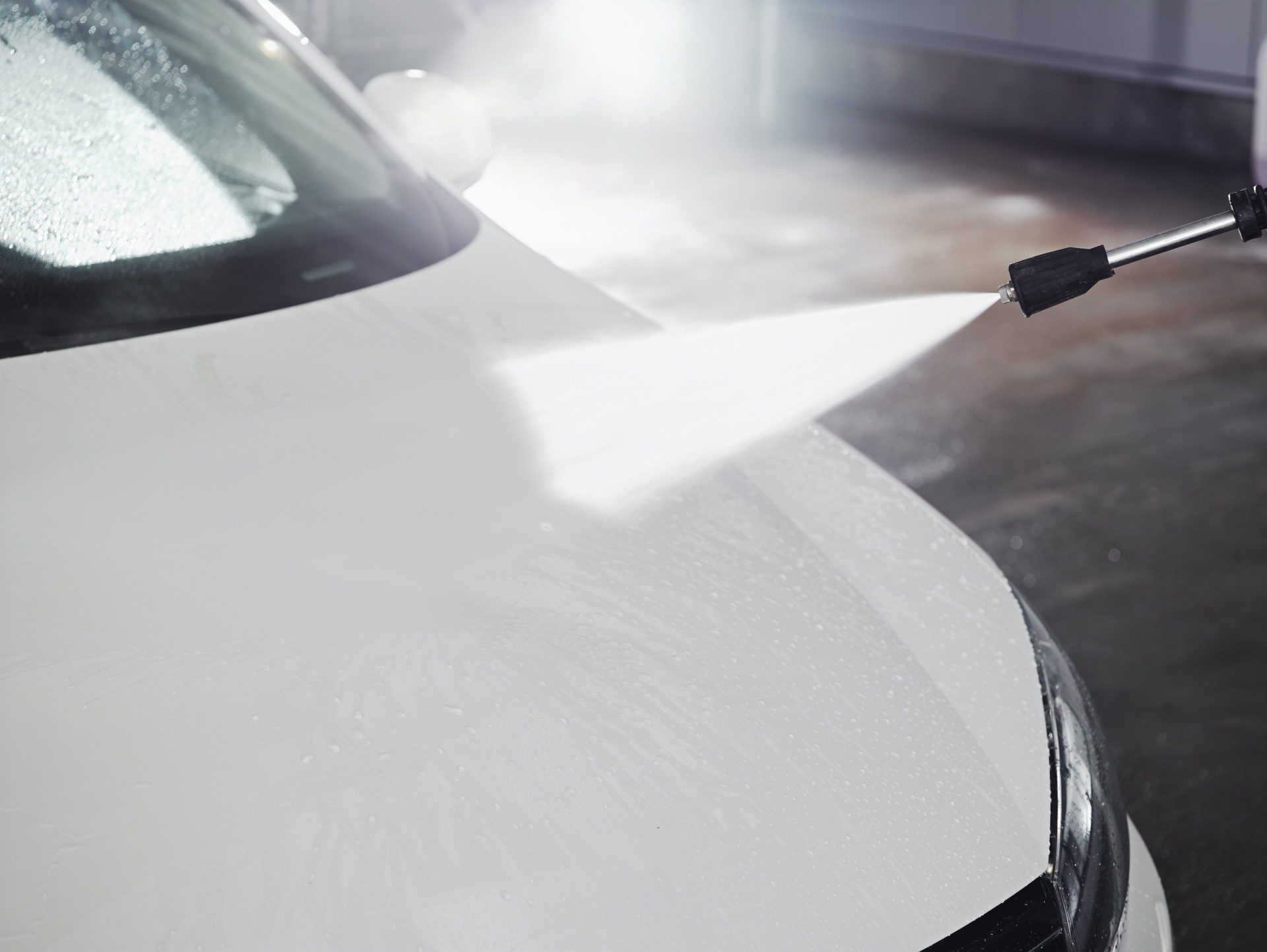
- Rinse off coarse dirt with a pressure washer or water jet.
Step 2: Clean the rims
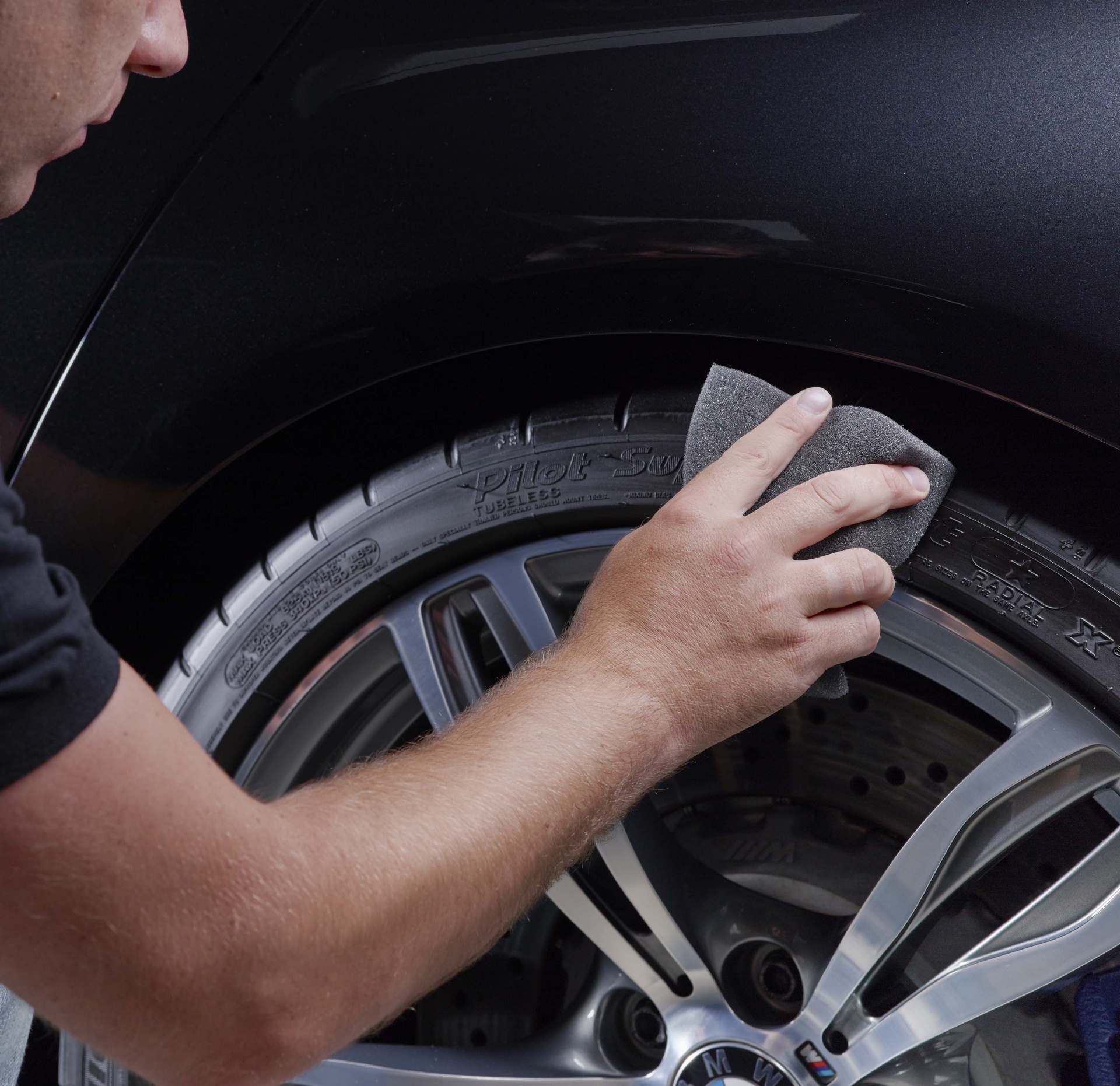
- Spray on rim cleaner, leave to work in and clean with a brush or paintbrush.
- Rinse thoroughly.
Step 3: Use the two-bucket method
- Fill one bucket with water and car shampoo, the other with clear water.
- Avoid aggressive cleaners, as these can damage the paintwork.
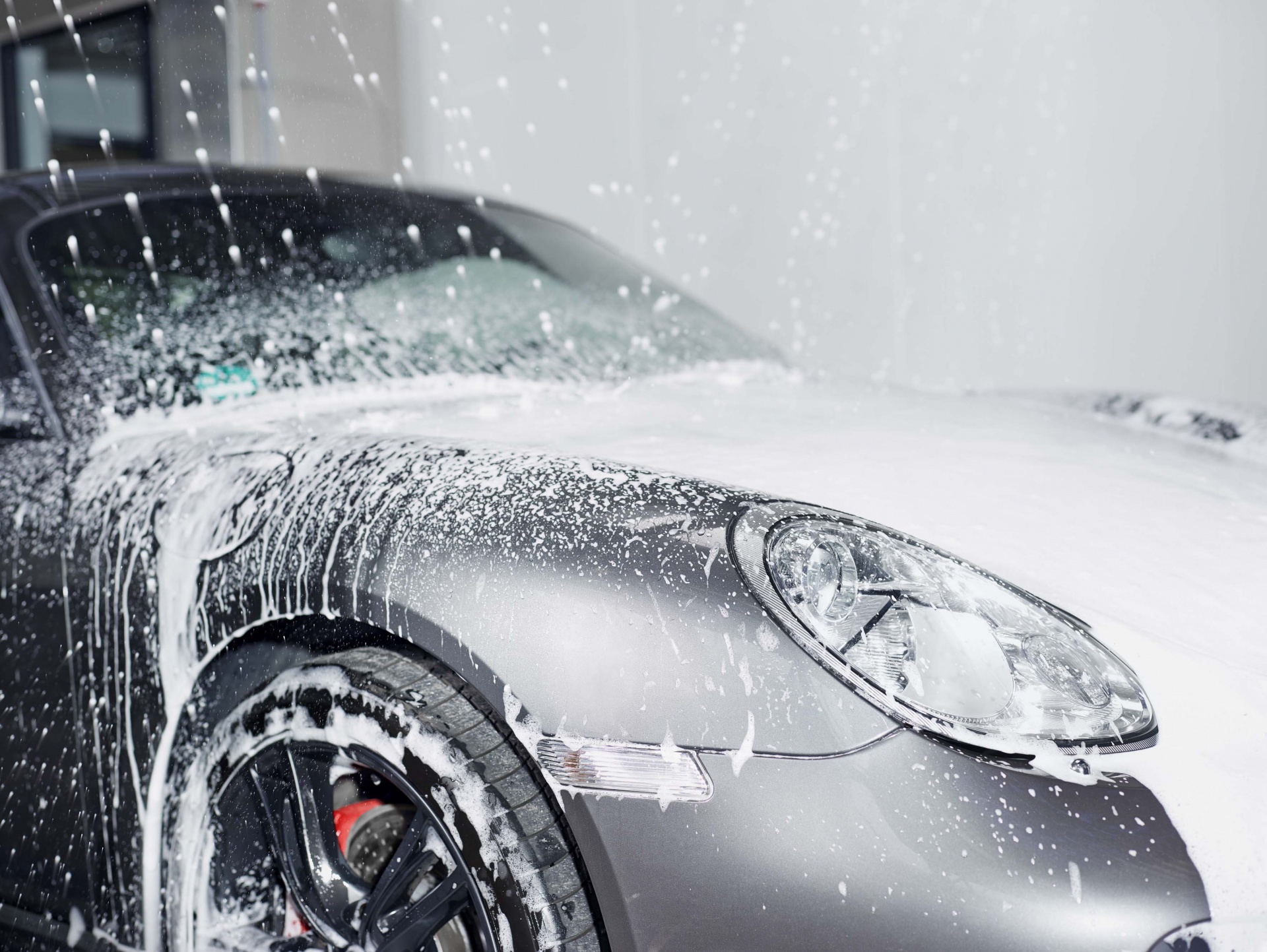
- Soak a wash mitt or sponge in the shampoo bucket and wash the vehicle from top to bottom.
- Rinse in the clear water bucket after each section.
Step 4: Detail cleaning
- Clean hard-to-reach areas with brushes and detail brushes.

Step 5: Rinse thoroughly
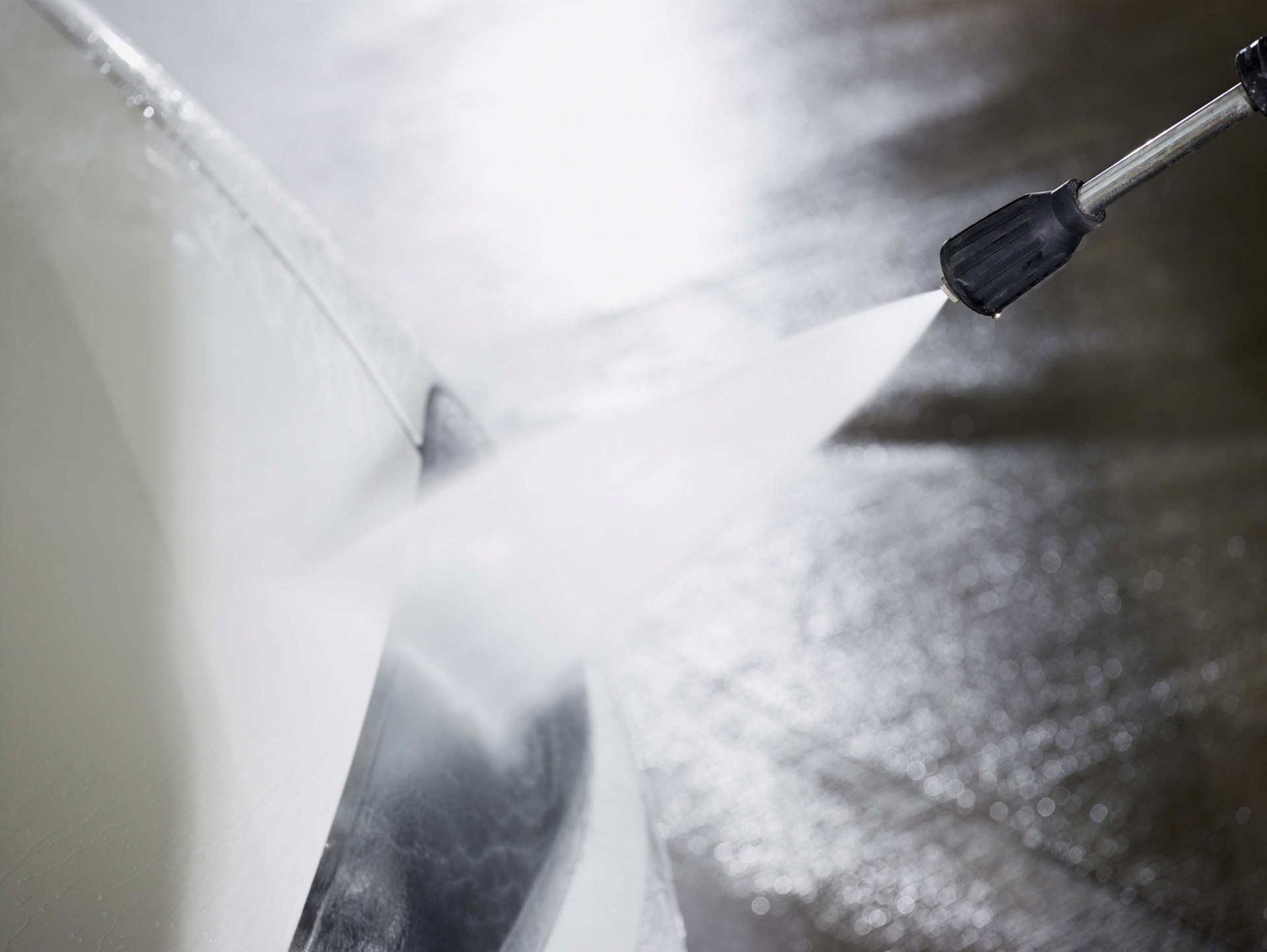
- Remove all shampoo residue with clear water.
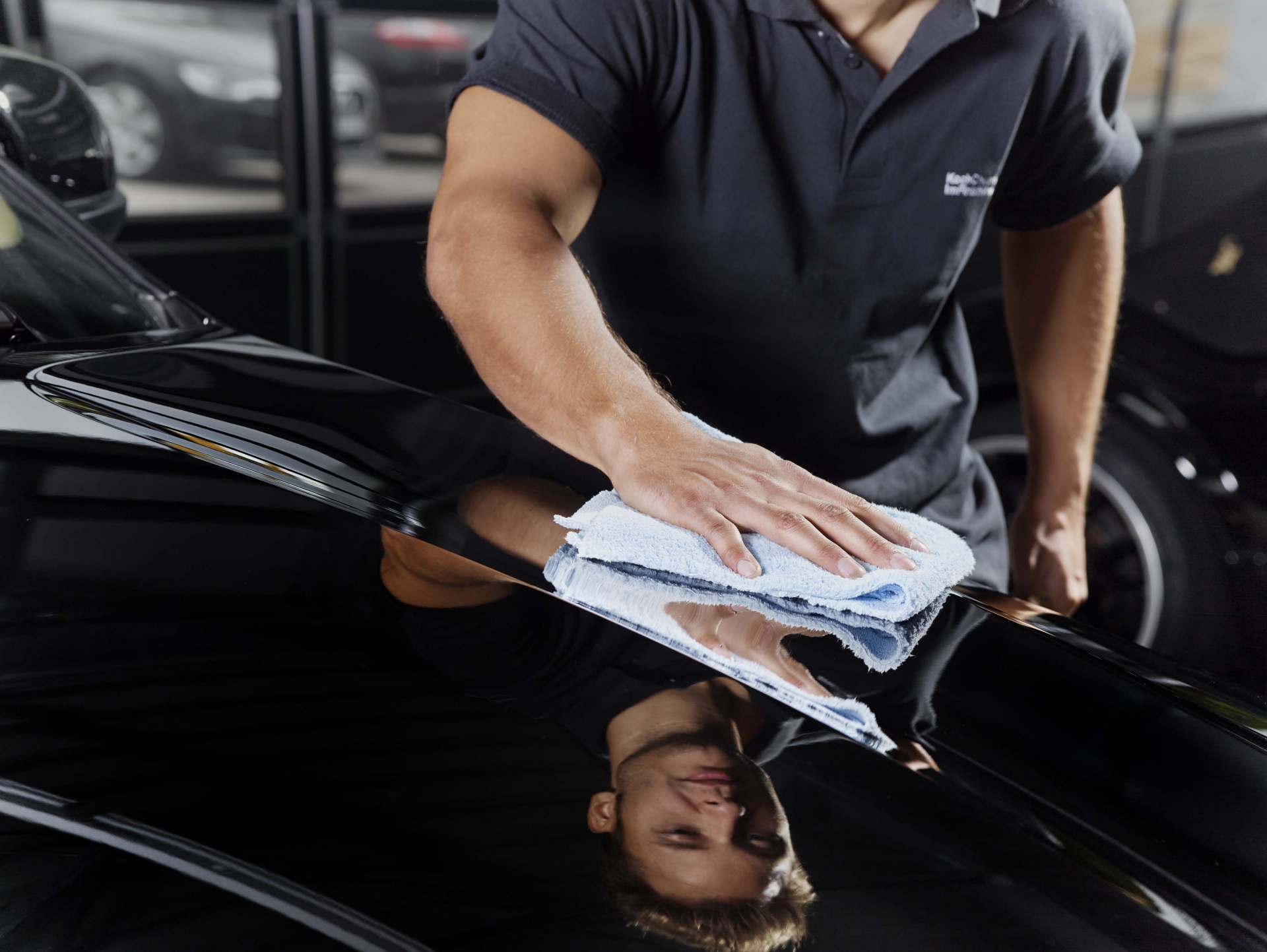
Step 6: Dry the vehicle
- Gently dab or wipe with a microfiber towel - do not rub.
- Avoid rough cloths as these can scratch the paintwork.
How often should you wash your car?
The frequency depends on how often the car is used.A car that is driven regularly should be washed approximately every 1-2 weeks. Also regularly in winter to remove heavy soiling and road salt.
What is the best way to wash a car?
The two-bucket method with a microfiber sponge or wash mitt and pH-neutral car shampoo is particularly gentle on the paintwork and effective.
Can you wash a car with washing-up liquid?
No. Household cleaners such as washing-up liquid attack the paintwork and existing sealants. Only use a car shampoo.
Which car shampoo is the best?
A good car shampoo should be dirt-dissolving, pH-neutral and gentle on the paintwork. Branded products with high-quality surfactants offer thorough cleaning without aggressive ingredients.
Which is better: car wash or hand wash?
Hand washing is much gentler on the paintwork if it is carried out correctly. Car washes can cause micro-scratches.
Do I have to dry the car after washing?
Yes, air drying leads to water marks. A microfiber drying cloth ensures a streak-free finish.
What car care mistakes should I avoid?
Cleaners that are too aggressive, washing in direct sunlight or using rough cloths can damage the paintwork. Microfiber cloths and gentle care products are essential for proper car care.